

The best exercises for beginners are kind of simple, like movements that build strength, flexibility, balance, and that cardiovascular endurance thing. Start with body weight moves like squats, lunges, glute bridges, push ups, and planks, then see how your body feels. If you’re working on strength training, beginners can take light dumbbells or just stay with machines for example chest presses, seated rows, and shoulder presses. For cardio, try things such as walking cycling, or even the elliptical trainer, to build stamina and support heart wellness. Begin with reps that seem doable, and focus on clean technique, not on lifting too heavy too soon. A steady routine you actually repeat can help new folks feel more confident, lower the risk of injuries, and lay down a strong base for long term fitness and healthier exercise habits.
Which exercises should beginners start with at the gym?
For starters it’s a good idea to begin with easier exercises that hit the big muscle groups, while also teaching you the right technique. Bodyweight squats are great because they strengthen your legs, and lunges help with balance as well as lower body power. Chest presses plus seated rows can build the upper body, and shoulder presses are a solid way to grow the shoulders. You can also add glute bridges and planks, those work the hips and core, kinda steadily.
If you want cardiovascular fitness, keep it simple at first—try walking on a treadmill, cycling or using an elliptical. Do about 2–3 rounds, with 8–12 repetitions per round using resistance that feels manageable. Keep everything controlled, pay attention to form and only move up gradually, not jumping straight to heavy loads right away.
Also visit out Gym Cable Wire in Dubai
How many sets and repetitions should beginners do?
Beginners should generally start with 2–3 sets of 8–12 reps for most strength training exercises, and honestly that sweet spot helps people learn the whole movement without getting lost or too beat up too fast. This range gives enough reps to nail proper form, while also slowly building strength plus endurance. Pick a weight that feels steady but makes the last few reps feel hard , not so hard that your technique starts to wobble. Rest around 60–90 seconds between sets, depending on the exercise type and where your fitness level is at.
For bodyweight moves beginners can start with fewer repetitions, then bump them up bit by bit over time. You don’t need to push until complete exhaustion either. Once your strength and confidence increase, you can gradually add resistance, repetitions, or even sets—but keep technique consistent and still allow enough recovery between workouts.
Should beginners use machines or free weights?
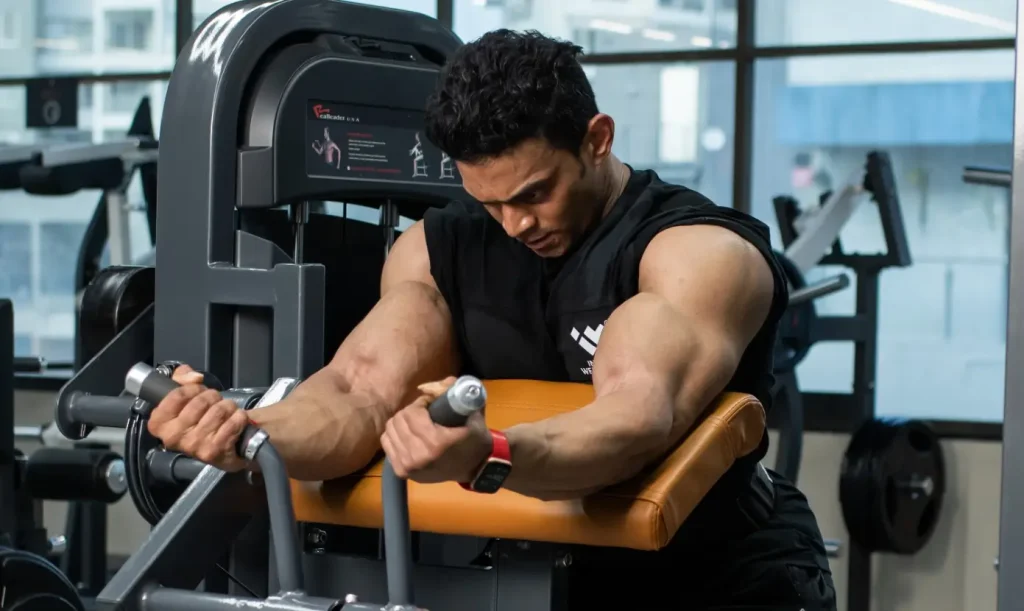
Beginners can use both gym machines and free weights, depending on how comfortable they feel and what they want to accomplish fitness wise. Usually, gym machines are a decent place to start , because they give stability and make it easier for novices to pick up the basic movement patterns with controlled resistance. On the other hand free weights, like dumbbells, can boost balance, coordination, and overall “everyday” strength in a more practical sense. Many beginners will begin with machines to build confidence , then slowly bring in light dumbbells and even barbells. Either way the real key is proper form, not trying to chase heavier loads too soon. Beginners should pick resistance they can manage, do controlled reps without rushing, and , if possible, get support from a qualified trainer so exercises stay safe and useful while they level up gradually.
How often should beginners perform these exercises?
Beginners should try to do strength training exercises about two to three times each week, with at least one true rest day between sessions. That kind of timing gives the muscles a chance to repair, while still helping beginners build strength and routine. Full body workouts are often the best option too, since they hit the main muscle groups within one session, without needing to go to the gym super often. Beginners might also tack on some easy cardio on the other days, like walking or cycling, to support cardiovascular fitness. As strength plus endurance start improving, the workout frequency can slowly go up. Just make sure you listen, don’t ignore recovery, keep yourself hydrated, and don’t work the same muscle groups intensely back to back days.



No comment yet, add your voice below!